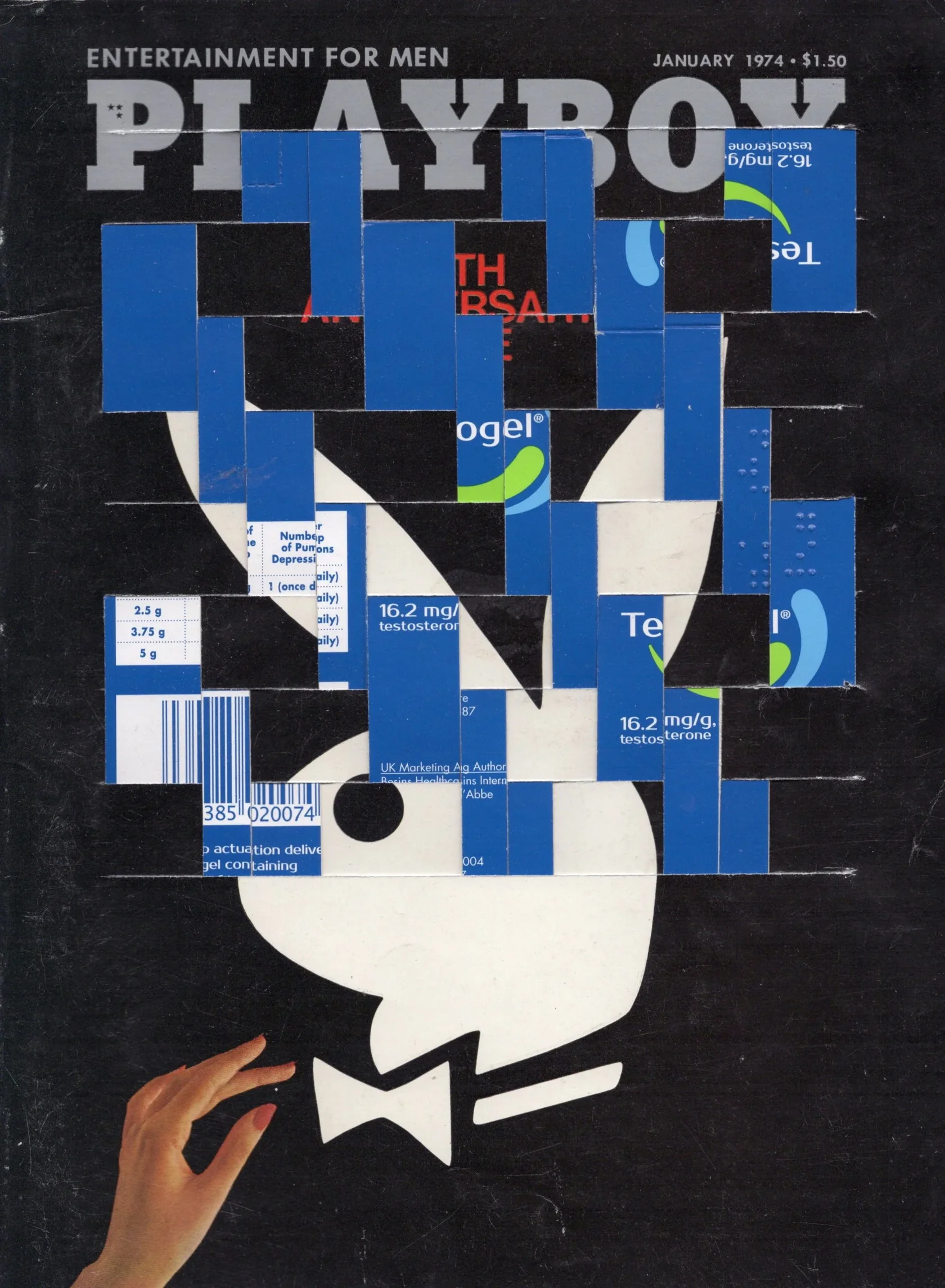

Julian Konuk on non-linear time and found footage
“It exists without you after”
-
 By Marina Ogorodnikova, Editor in Chief
at The GalleryNovember 4, 2026
Julian Konuk describes himself in a way that refuses to let
any single line of the biography take the lead.
A Turkish American artist living in London: born in one country, raised between it
and another, working in a third. Ask him where he's from
and you don't get one answer.
any single line of the biography take the lead.
A Turkish American artist living in London: born in one country, raised between it
and another, working in a third. Ask him where he's from
and you don't get one answer.
And yet, when the question of “where from” does come up, he starts with
a single fact. He was born in Texas,
and in Texas, if you're trans, you can't change the gender marker on your documents. "So I will die a woman. It will always say female — unless laws change." Of the three children in his family,
he's the only one born there. "I have two siblings and they were born
in Massachusetts, which is a much
more liberal, quote-unquote, state.
And I was the only one born in Texas."
Hold that in mind and the work reads differently. It doesn't grow out of ideas about the body so much as out of him
— his biography, his memory, the way
he names himself. The body isn't
the subject; it's the medium, the thing through which the private becomes visible, the thing that stands in for us
in the world. Which is why, in his hands,
it becomes an archive too: born
in the wrong state, put through several puberties, given and stripped of various privileges, recorded and reassembled. Everything else follows from there.
A still from Homme-Sick, Moving Image with Archival Footage, 2024
Julian grew up in the States — Texas first, then the suburbs of Boston, a town
of fewer than five thousand people.
His father is from Istanbul, and they went back often when he was a child.
In 2018 he moved to London. Three points
on the map, and not one of them insists on being the only home. "I really like
to mess about with temporalities,"
he says, "because being trans, you exist
in a different timeline than cis people.
If you've medically transitioned, you go through multiple puberties. It fucks
with how you process your past and your future." The refusal of a single origin,
a single “really from” — it's the same move he makes with time, and it turns out to be the move underneath most
of what he does.
He calls Istanbul a second home,
and loves it in the qualified, asterisked way you love a place that won't quite
have you. "I kind of view it as a second home. I love it. But at the same time,
it's also dangerous be queer there.
It's a gorgeous city, the food is incredible. But it is nerve-wracking to walk around
as a visibly, potentially queer person
— especially someone covered in tattoos."
He was there a couple of years ago during Pride. "I remember walking past Taksim Square, where the march starts.
They had it all fenced off to try
and prevent it, and there were police officers the entire way with massive machine guns." A beautiful city with
the square shut off behind men holding rifles: the whole contradiction of a place that is at once yours and forbidden,
in a single frame.
He knows, too, what the state can ask
of other queer Turkish people. Military service is compulsory for anyone born male; you can be exempted if you're gay, but you have to prove it [The practice
is known as the "pink certificate"
(pembe tezkere): the Turkish military exempts men it deems homosexual
from otherwise compulsory service,
on the basis of a 1968 diagnostic definition.].
He got out of small-town America
on purpose. "I grew up in a tiny town
in Massachusetts where the population
is less than five thousand, and if you
don't have a car you're screwed.
So I wanted to get out, I wanted to be
in a big city."
London is a harder love. "It's a love-hate relationship. It's very culturally vibrant,
but it has its own issues. The trans rights in the UK are really going down
the drain. It's incredibly difficult to access hormones."
What holds him is people. He remembers trans meet-ups in the basement of VFD
in Dalston — "just a bunch of trans people in this basement, and we would just be chatting. Sometimes we did stick-and-poke tattoo events, screenings, mutual aid workshops." What sounds at first like nostalgia lands, by the end
of the sentence, as something closer
to necessity. "In a country where fascism is on the rise, it's incredibly important
to have each other, to be able to hold each other."
At first he didn't feel welcome in that community. "I wasn't feeling welcome, because I didn't match other people's aesthetic. I was still in my dysmorphia era, in very loose clothing, I didn't want
to show my body. And then as soon
as I bleached my hair, all of a sudden people were like, 'Oh Julian, oh my god.' Are you shitting me?"
Underneath the near-comedy of that
is something larger. He moves through
the world differently now. "I'm trans,
but I also walk around as a white man now. I pass as a man, so I need to be aware of that and know my place. I don't visibly look trans, so I operate
in a different way than I used to.
I experience that privilege in a way
that I never did before." He clocks it
in small things — that he can eat
on the move, covered in crumbs,
and nobody minds.
"When I was a girl and I was being a bit gross, people would be like, 'Oh, that's disgusting,' or I'd get weird looks."
Both things — a community that noticed him only once he fit its look,
and the privilege he now wears without trying — lead him somewhere
clear-eyed: belonging to a minority buys no absolution. The same hierarchies,
the same blindness to the other person, run on the inside too. "Just because someone's queer or trans doesn't mean they're a good person," he says.
"There are so many racist queer and trans people."
Only now, with a sense of who's speaking, is there any point talking about
the work, which he approaches through biography rather than theory. "I make queer experimental short films, using
a lot of archival footage, whether I find
it online or from my own family archive.
For some reason my childhood was very well documented, as was my dad's childhood, and my grandmother's childhood in Istanbul."
Stills from Homme-Sick, Moving Image with Archival Footage, 2024
He hunts found footage like an obsessive collector, and his test for keeping a clip
is not the one you'd expect. "A big part
of it is if I can find some humour in it.
I like to draw from a wide variety of time periods and aesthetics, to make
it as chaotic as possible." He stitches
by visual rhyme: "In one clip someone
is walking out the door, and then I find another clip from a completely different time period, and it also has someone walking out the door. So I can stitch
that together. Or queer innuendos that were not meant to exist in the original footage at all." Sometimes a clip never finds its slot. "It's kind of like a puzzle piece. Sometimes that clip is just not
one of the pieces, but maybe I'll use
it for something else. That's just going off vibes and intuition."
On the people left inside that old footage, he's a strange mix of tender
and detached. "I inherently transform
it into something else. The meaning
of the original footage changes, because the context has changed. I do view them as people, but I'm almost a bit detached from it." Then, with a grin:
"Those people from the 1950s clip,
they probably wouldn't like being put
in a weird queer film very much. But that's a them problem. They shouldn't have made it royalty-free."
One fragment in his film is hard to shake: a man and a woman in bed, trading lines that mean nothing. "It was from the fifties, I believe, or the sixties.
The whole point was that it was completely vague — taking the piss out
of movie tropes. They're purposely
not saying anything of importance.
They talk about missing something in life, but it's never touched on. It's 'It's ironic,' 'Don't be a fool, Mary' — and they never say what's missing." He can't remember where it came from, which is entirely
in keeping with a method built
on the anonymous archive.
There's a piece he calls his most vulnerable, and at its centre is a recording
he once made of himself. "I was maybe one month on T, and I was drunk
in that video — super drunk.
I was just filming myself, I don't know why.
Then I was going through my phone, found it, and I knew I wanted to use it."
For Julian, putting something that intimate in public is the point. "That film
is very personal, much more vulnerable than my other films. What's great
about publicising these intimate moments is that it brings those queer or trans moments — euphoric or dysphoric
— to the fore. There's a lot of power
in making public really intimate moments." Where's the line, then? "Where's the line, honestly? I haven't reached the line yet,
so I don't know if there is one. I would include a video of me having sex.
So I don't know where the line is."
"I don't really regret things. Once it's done, it's done — it exists as its own archival piece. It exists without you after. Regretting stuff isn't really in my vocabulary."
01 /04
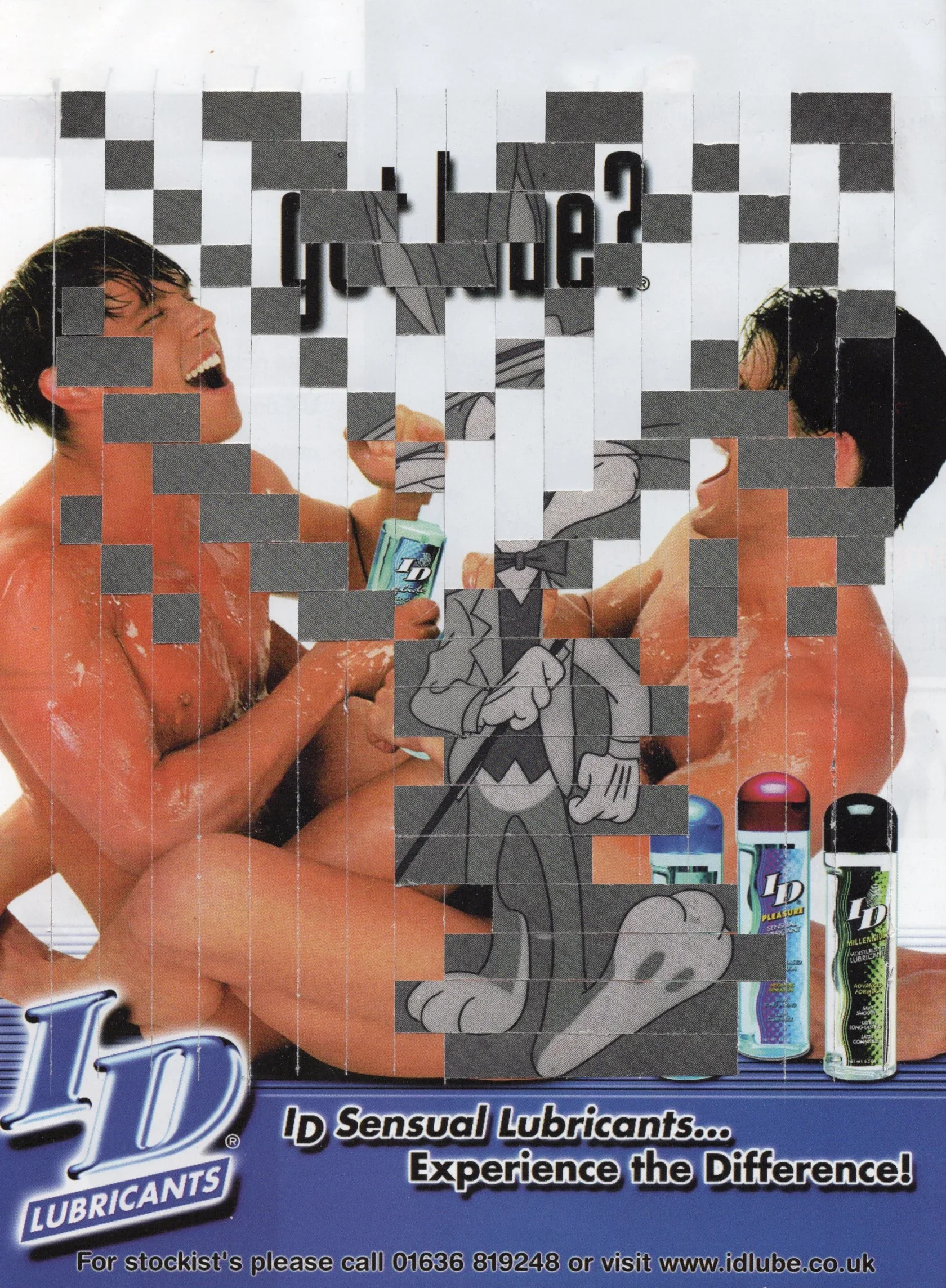
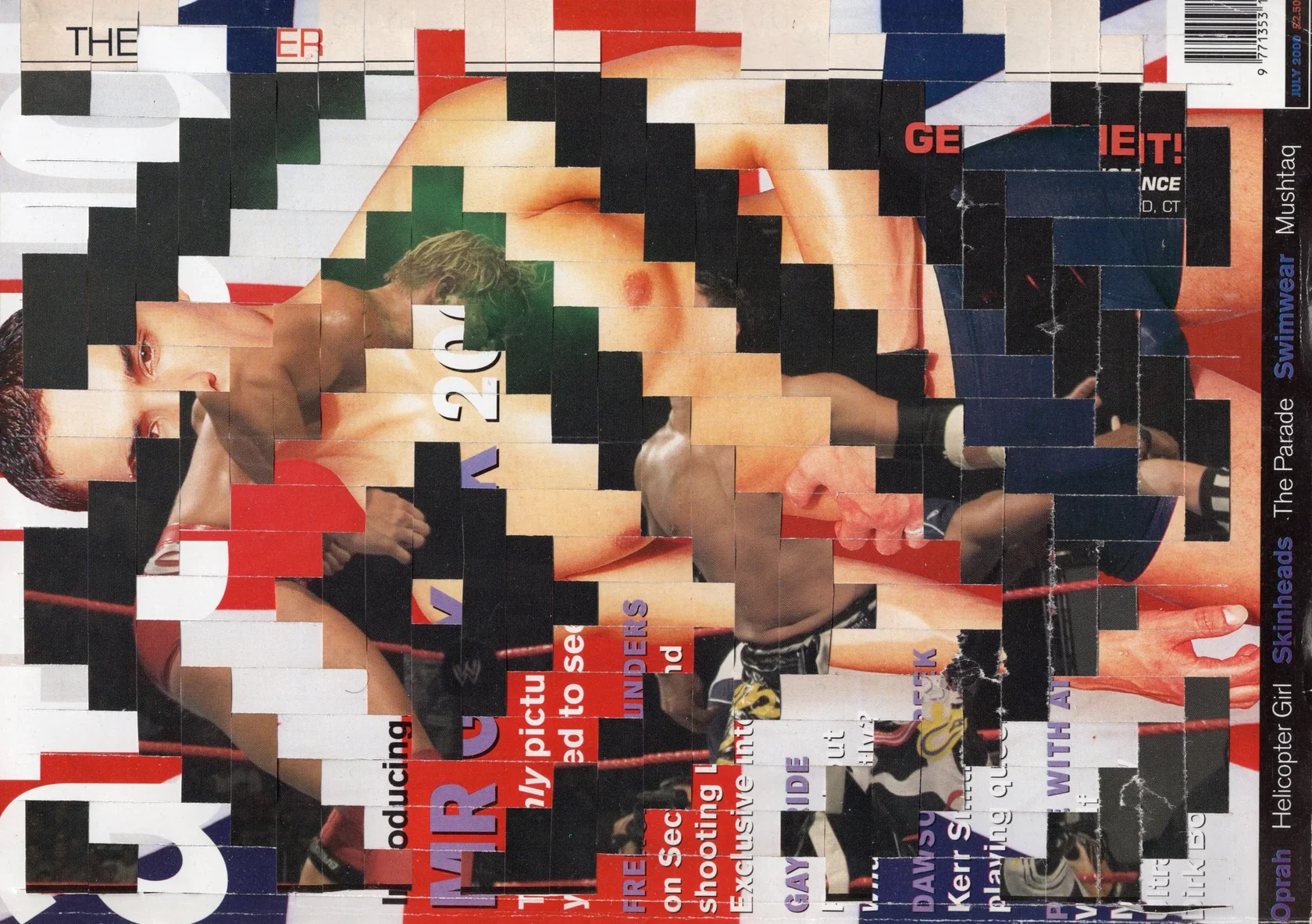
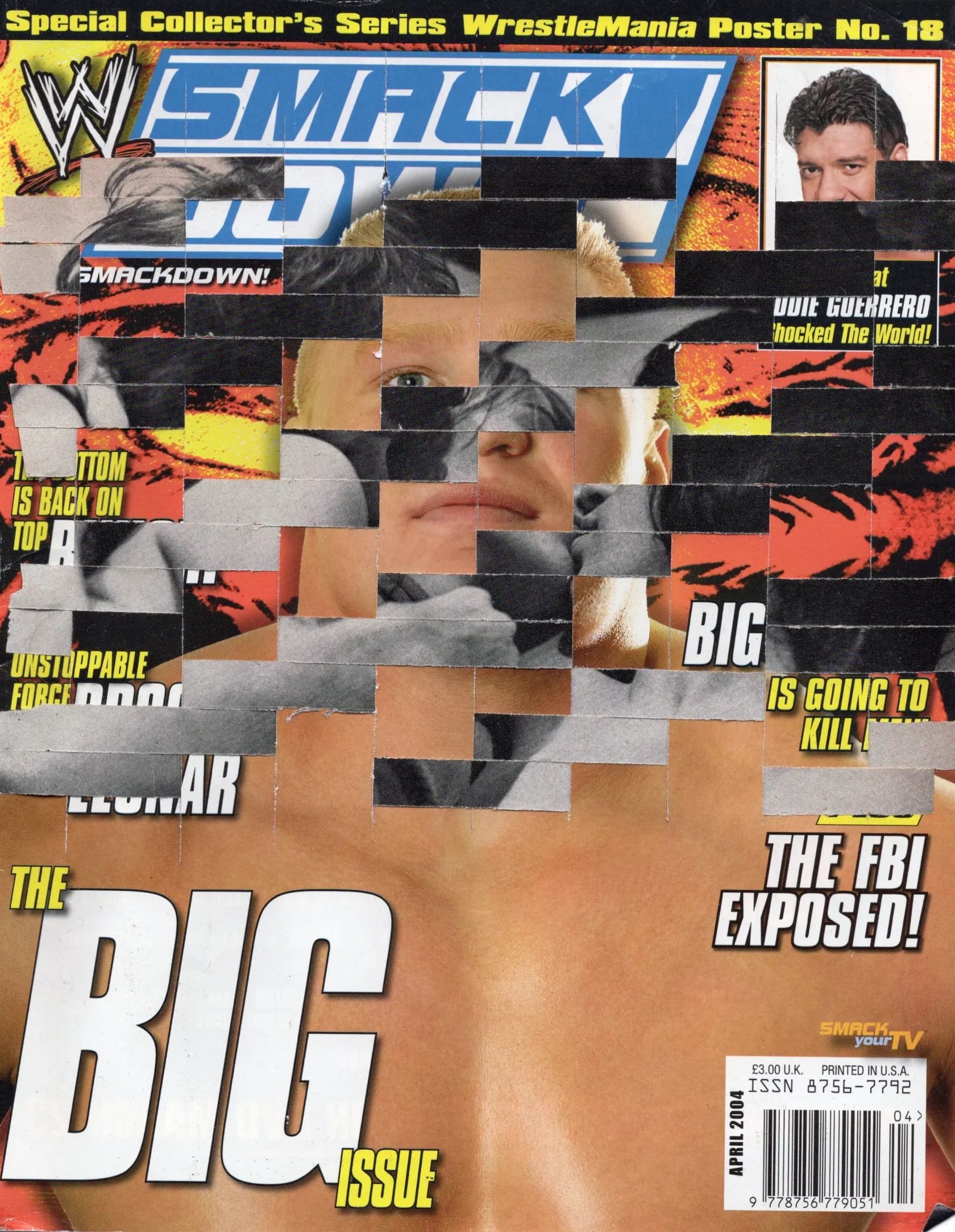
After all of that, a deliberate change of key. He calls the Sexy Trans Calendar
a pure passion project, made in one breathless run. "That was fully a passion project. I decided to do it in November,
so I had one month — I did twelve photo shoots and put the whole thing together in a month. It was diabolical."
The tone mattered more than
the timeline. "I didn't want it to be stereotypically sexy. It was all about feeling comfortable and consent, because I've been photographed before where
my queerness was being fetishised
and I was taken advantage of. So I wanted it to be more of a celebratory experience." Consent came with a real veto.
"One of my favourite photographs I've ever taken will never see the light of day, because they didn't feel comfortable
with it. They don't need to tell me why."

A still from Homme-Sick, Moving Image with Archival Footage, 2024
And what does being sexy actually mean to Julian? The answer moves away
from gloss towards something plainer.
"I used to have quite crippling dysphoria and dysmorphia. I couldn't leave
the house without a big hoodie.
Now that I've been on hormones longer and I actually see myself, I do feel sexy sometimes.
It's about being comfortable in your body and not giving a shit how other people see you." Lately, he's keen to add, it's got
a good deal easier.
He no longer calls himself a director, though he used to, tactically. "I used
to call myself a filmmaker because
I thought people would take it more seriously. But that's bullshit. I'm a video artist. I create some weird shit."
The distinction, for him, isn't about status but about what the form will allow. A film runs in a straight line — beginning, middle, end; in experimental practice that line comes apart. "Those rules disintegrate, and the possibilities for what you want
to do open up." He's talking about films, but the words are the ones he used
for time, for the body, for home
— the same refusal to accept a single line
that everything is supposed to travel down, in order.
It started alone. His moving-image practice began in lockdown, and stayed
a solitary thing for a long time. Now he's pulling the other way, towards other hands. "Some of the best art is rooted
in collaboration. You can't exist inside
a vacuum — it's not healthy."
London — and, you suspect, more than London — stays something he neither romanticises nor damns.
A home with a great deal left to settle.
"This is home for sure. But there's a lot
to be reckoned with."